

Departments & Institutes
Department of Integration of Chinese and Western Medicine
Department of Integration of Chinese and Western Medicine
1. Overview
Department of Integration of Chinese and Western Medicine obtained the right to grant master's degrees in the basic discipline of integrated traditional Chinese and Western medicine in 1981. In 1986, it gained the authority to award master's and doctoral degrees in both basic and clinical disciplines. In 2011, it was approved as a first-level doctoral degree-granting program, and in 2015, it established a post-doctoral research station. In 2017, it added another doctoral degree-granting point in the basic discipline of integrated Chinese and Western medicine. In 2022, it was selected as a world-class discipline construction unit for Peking University's decentralization reform. In 2023, it was approved as a key discipline of high-level traditional Chinese medicine in the basic discipline of integrated traditional Chinese and Western medicine (microcirculation) by the National Administration of Traditional Chinese Medicine.
2. Innovative Traditional Chinese Medicine Theories for Treating Myocardial Injury and Microvascular Exudation (Edema)
2.1 This elucidates the scientific connotation of the theory that heart qi deficiency leads to blood stagnation in myocardial injury, and vessel qi deficiency results in microvascular exudation (edema).
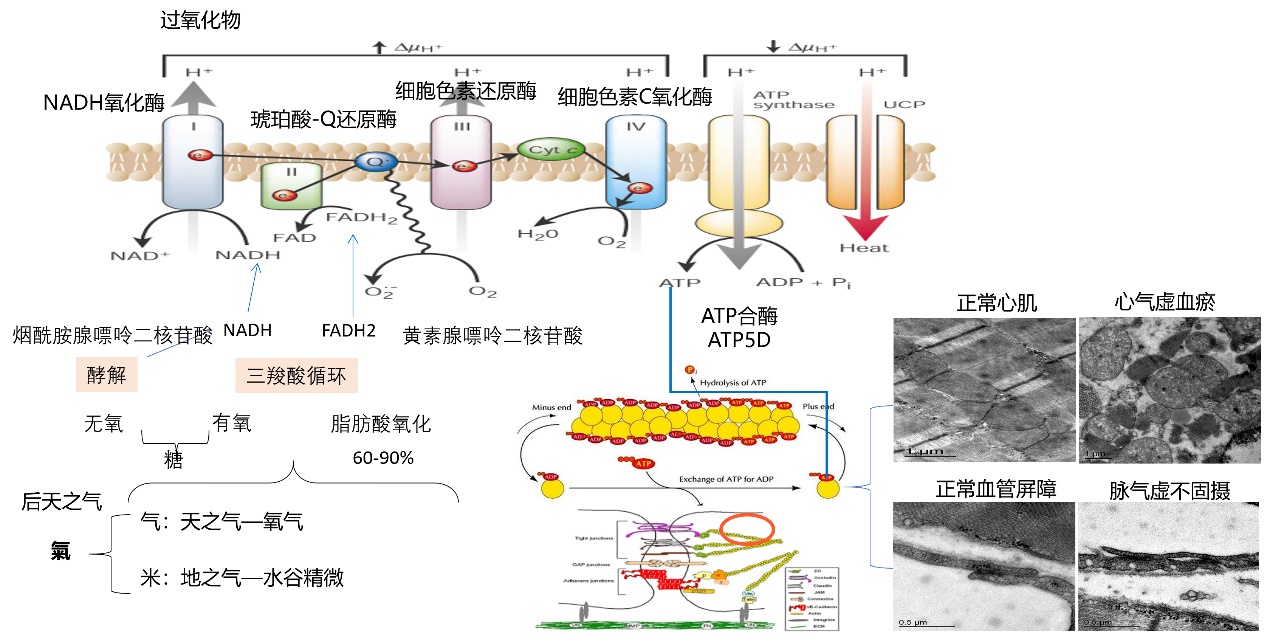
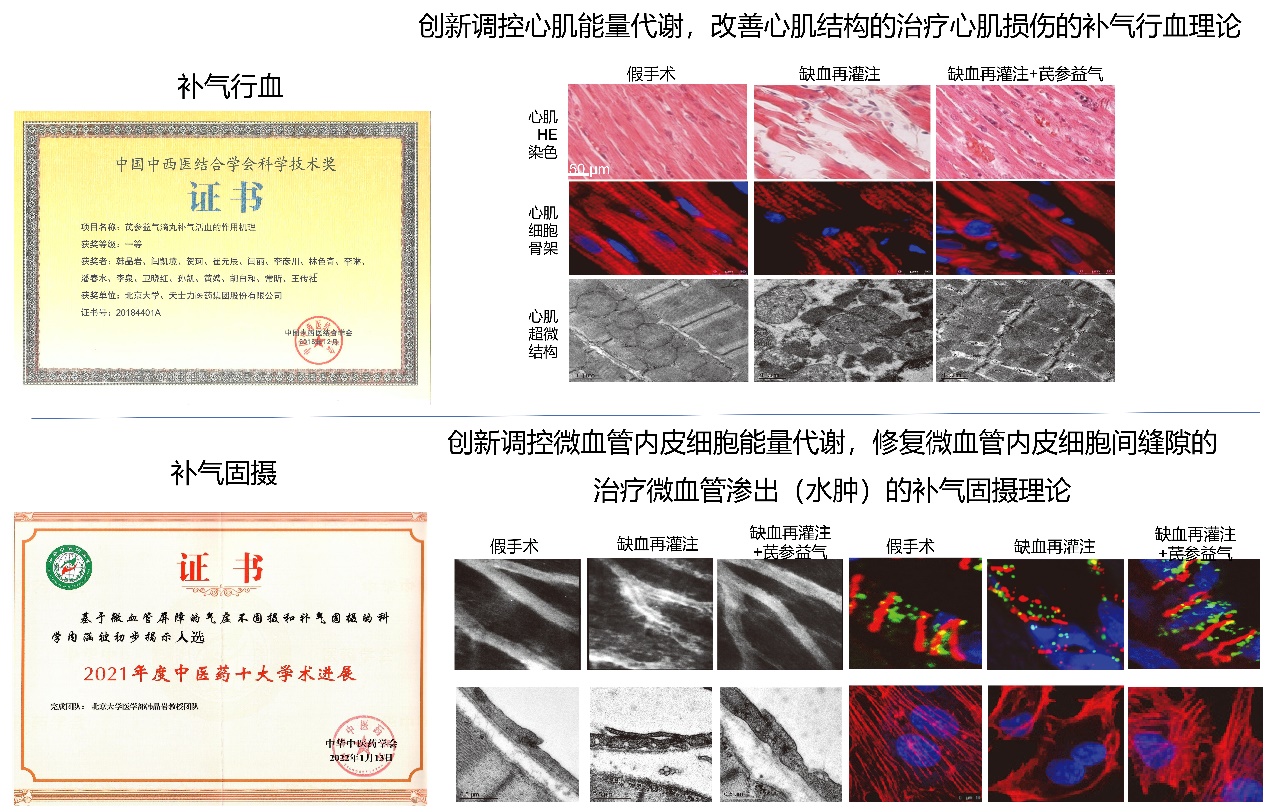
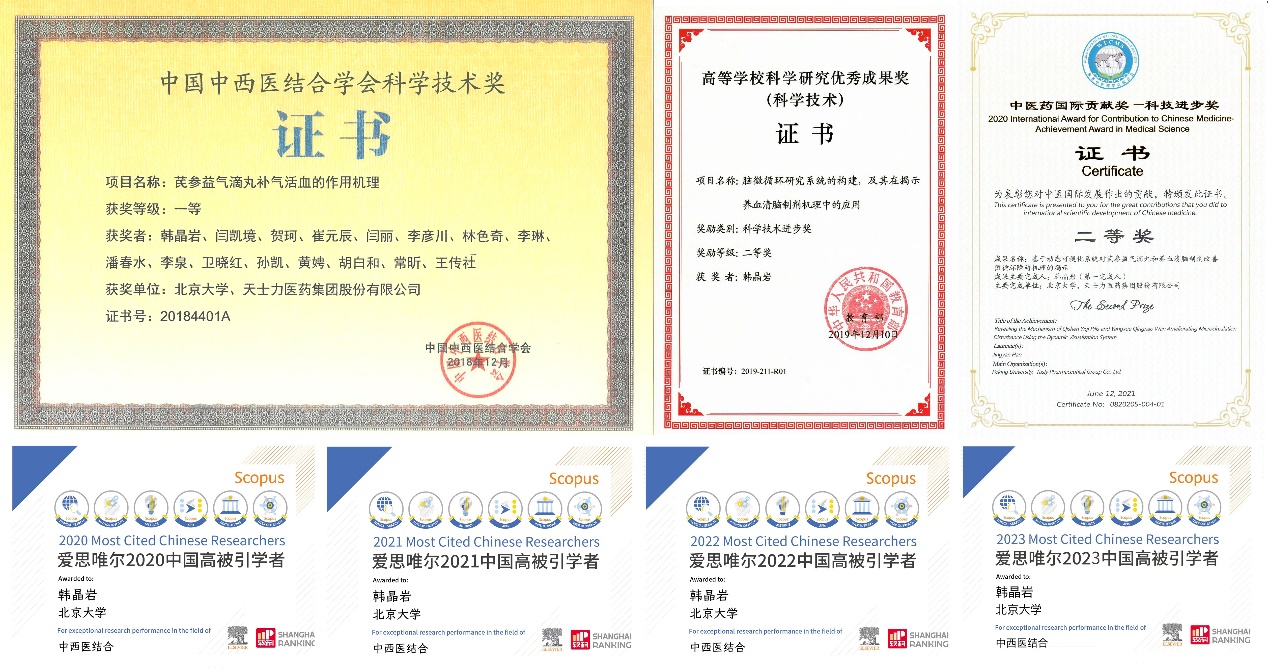
2.2 The innovative theory of tonifying qi and promoting blood circulation, which regulates myocardial energy metabolism and improves myocardial structure for treating myocardial injury, and the innovative theory of tonifying qi and consolidating control, which regulates microvascular endothelial cell energy metabolism and repairs intercellular gaps for treating microvascular exudation (edema), have won the First Prize of Science and Technology Award of Chinese Association of Integrative Medicine, and were selected as one of the Top Ten Academic Progresses in Traditional Chinese Medicine in 2021.
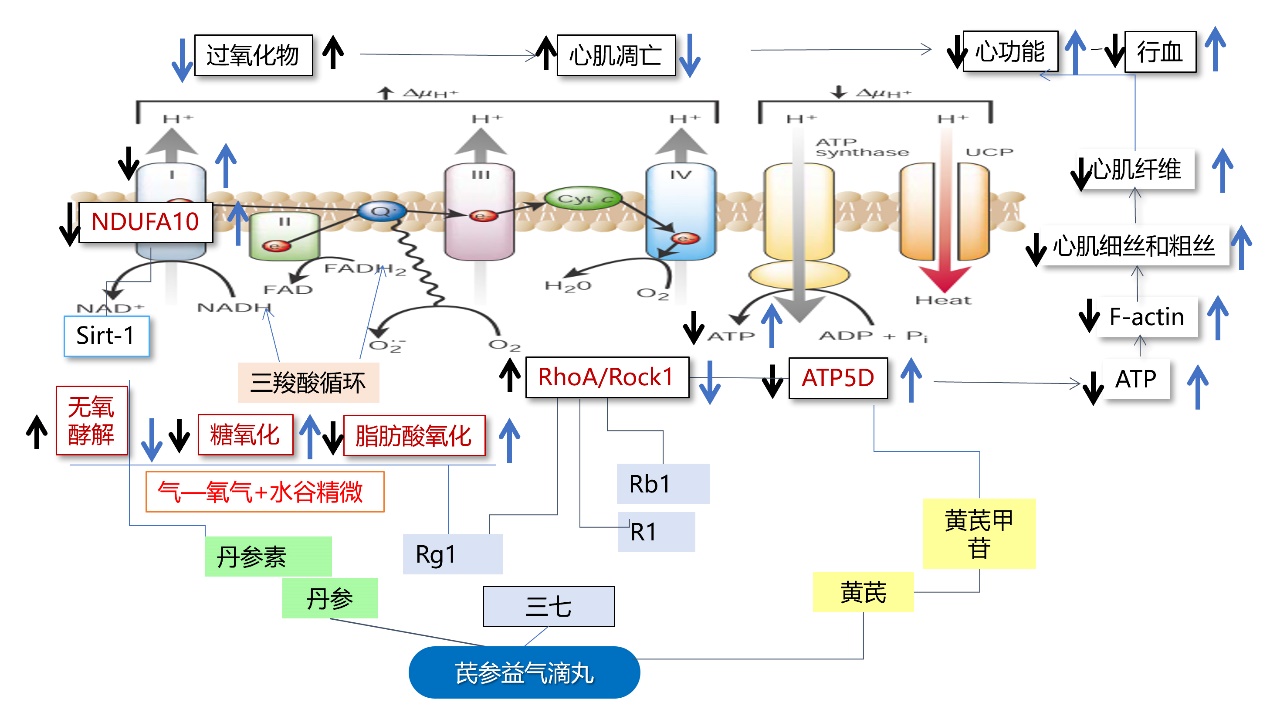
2.3 The innovative theory of multi-component, multi-target, and network regulation of traditional Chinese medicine compound formulas has been incorporated into the planned textbook "Pharmacology of Traditional Chinese Medicine".
3. A multidisciplinary faculty team leads academic development
3.1 The faculty team of this discipline consists of graduate supervisors, interdisciplinary mentors, and visiting professors. Professor Han Jing-Yan serves as president, chairperson, and editor-in-chief/associate editor-in-chief of international and domestic academic organizations. The discipline has published over a hundred SCI papers, promoting the modernization of traditional Chinese medicine.
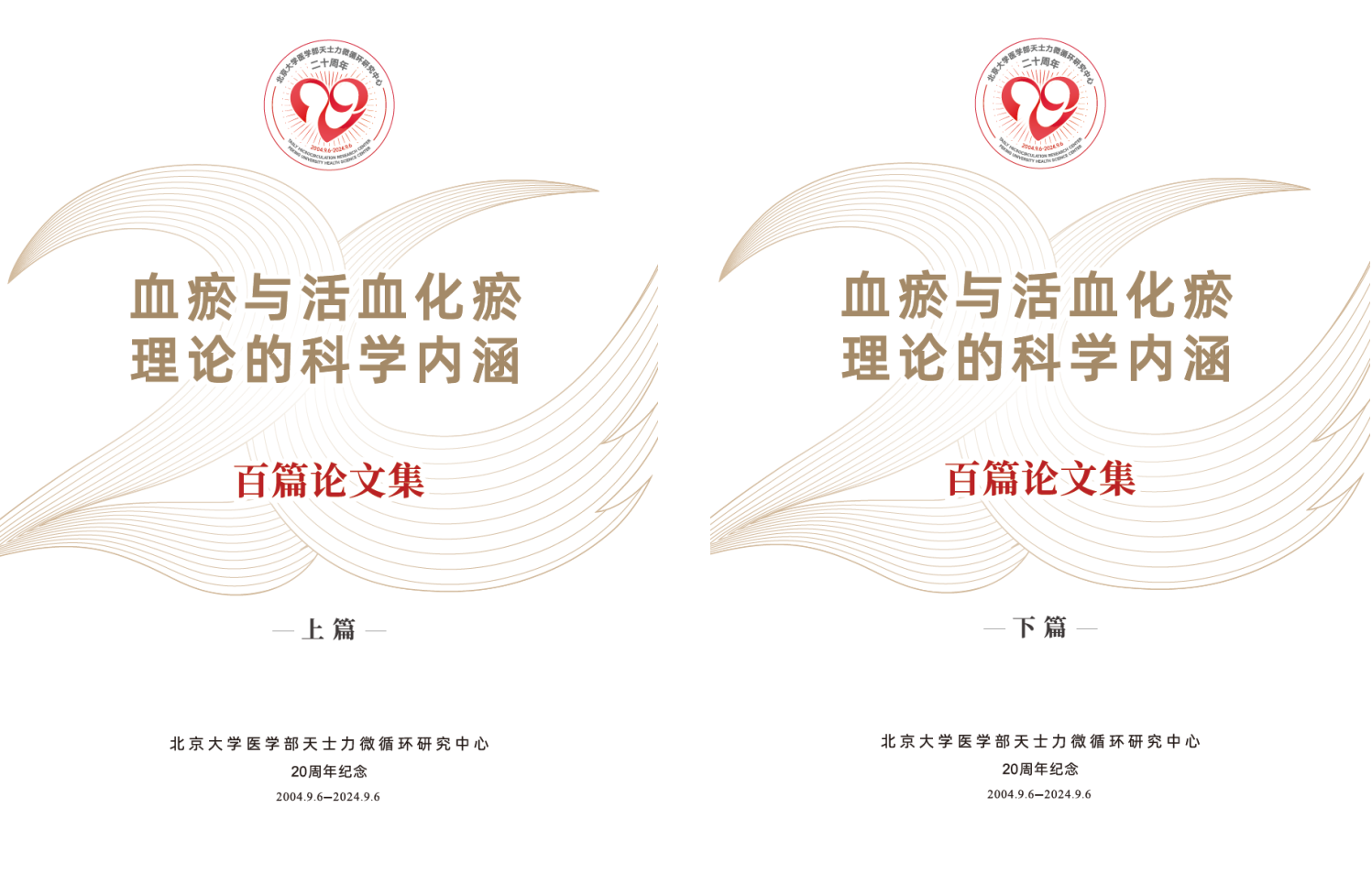
3.2 Co-edited the planned textbook "Traditional Chinese Medicine"; timely transformed research findings into teaching content, and the courses "Blood Stasis and Blood-Activating Stasis-Resolving" and "Basic Theories of Traditional Chinese Medicine" received high praise from students; the produced MOOCs are available on "Xuetang Online".
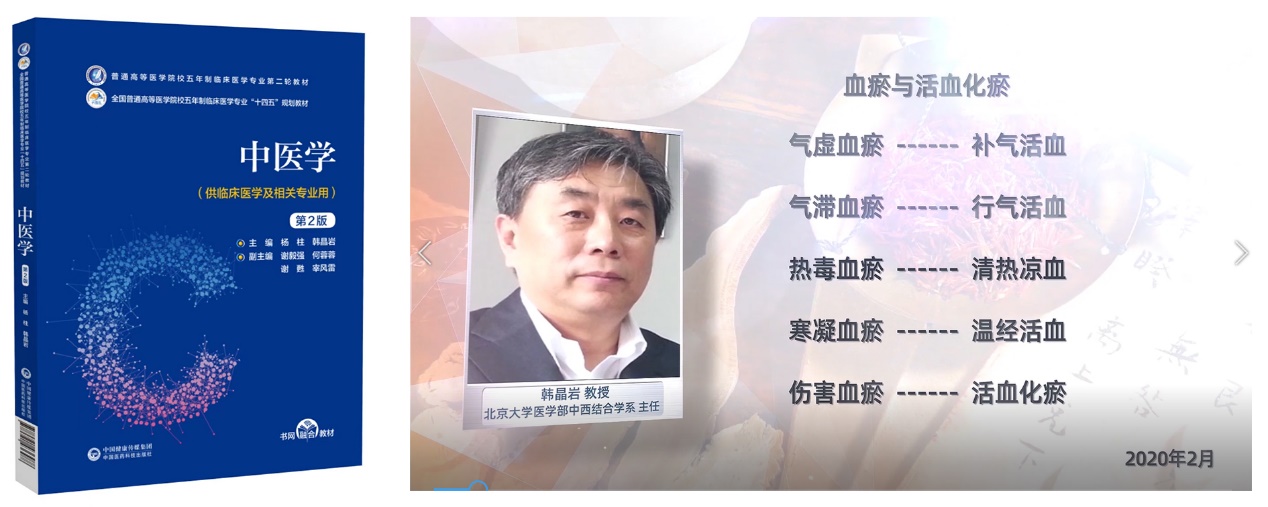
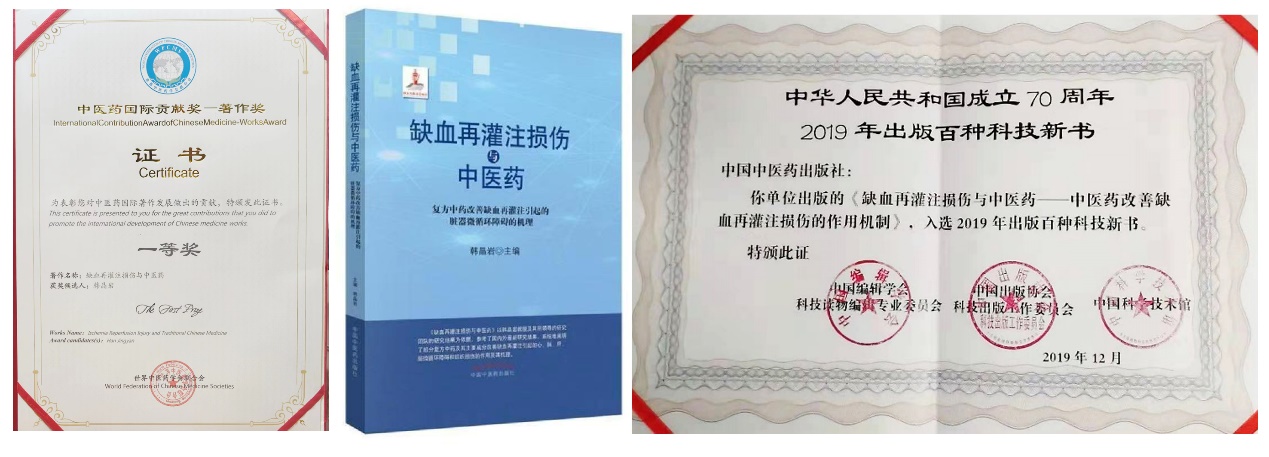
3.3 Published the monograph "Ischemia-Reperfusion Injury and Traditional Chinese Medicine", promoting the application of Traditional Chinese Medicine in treating ischemia-reperfusion injury. The book was selected into the "100 New Science and Technology Books of 2019 for the 70th Anniversary of the Founding of the People's Republic of China" and won the first prize of the "International Contribution Award of Traditional Chinese Medicine - Book Award".
3.4 Received multiple national research project grants; won a second prize at the provincial/ministerial level and a first prize at the national academic society level. The discipline leader has been selected as a highly cited scholar in the field of integrated traditional Chinese and Western medicine.
4. The high-level talents trained in integrated traditional Chinese and Western medicine have made their mark on the international stage
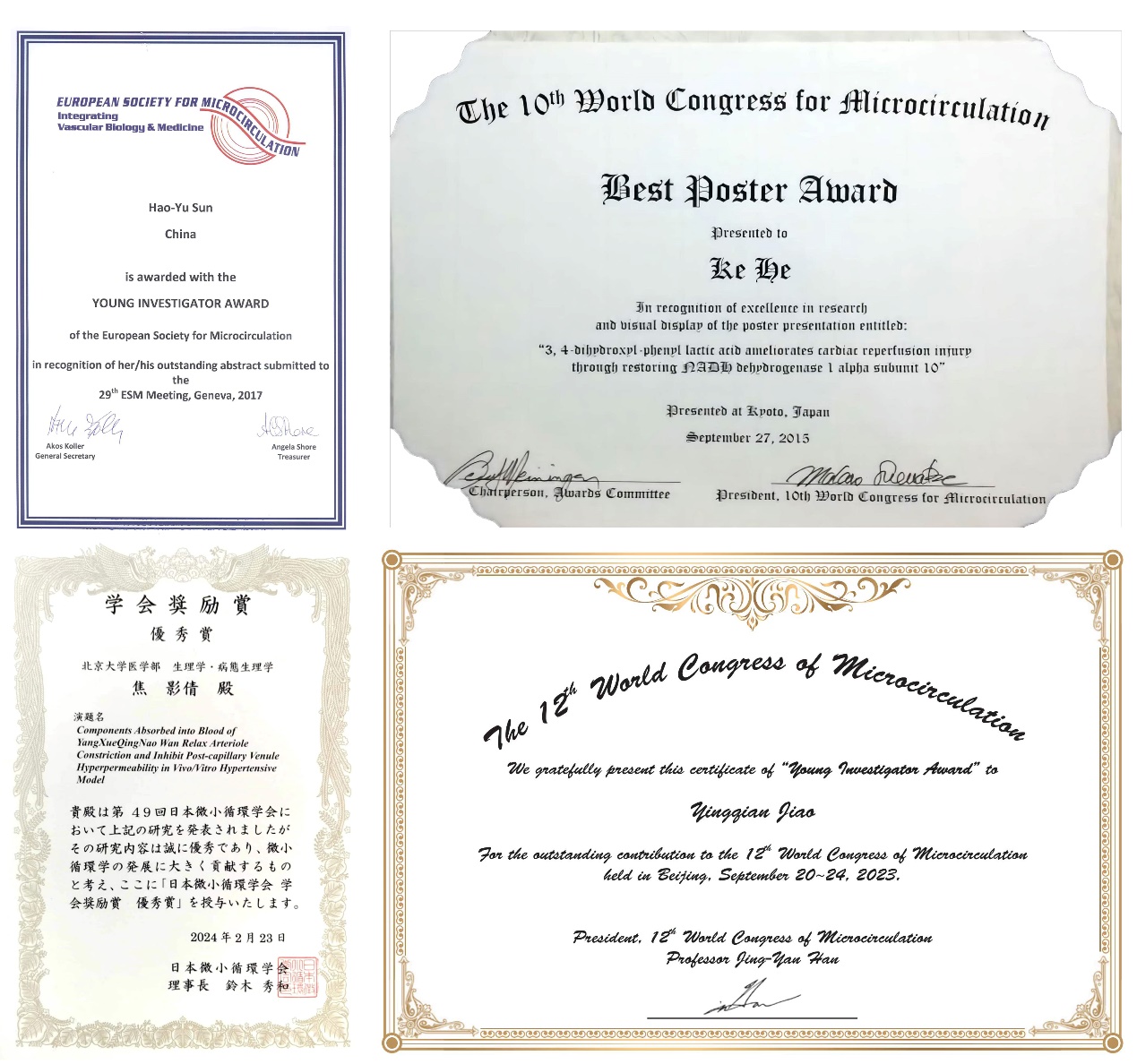
This discipline has cultivated a group of high-level professionals in integrated traditional Chinese and Western medicine, who possess international perspectives, innovative spirits, and humanistic concerns, working in research, education, clinical practice, and R&D fields. Many graduate students have won awards at international conferences, including those held in Europe, Japan, and the World Microcirculation Congress.
5. The Industry-University Collaborative Microcirculation Research Center supports academic disciplines and industrial development
Based on the microcirculation research center co-built by industry and academia, we have been approved as the Key Laboratory of Phlegm and Blood Stasis of the National Administration of Traditional Chinese Medicine, the Microcirculation (Level 3) Laboratory of the National Administration of Traditional Chinese Medicine, and the Traditional Chinese Medicine Pharmacology (Oncology) Level 3 Laboratory of the National Administration of Traditional Chinese Medicine. We have clearly explained the scientific connotation of blood stasis and blood-activating and stasis-resolving theories, elucidated the mechanism of action of 20 classic famous prescriptions and major traditional Chinese medicine varieties, as well as 8 main components in improving microcirculation disorders. We have supported the inclusion of compound traditional Chinese medicine in clinical practice guidelines, promoted the application of traditional Chinese medicine in preventing and treating major diseases with microcirculation disorders, and supported the internationalization of traditional Chinese medicine.
6. Promote the Theory of Traditional Chinese Medicine in Improving Microcirculation Disorders onto the World's Core Stage of Microcirculation Research
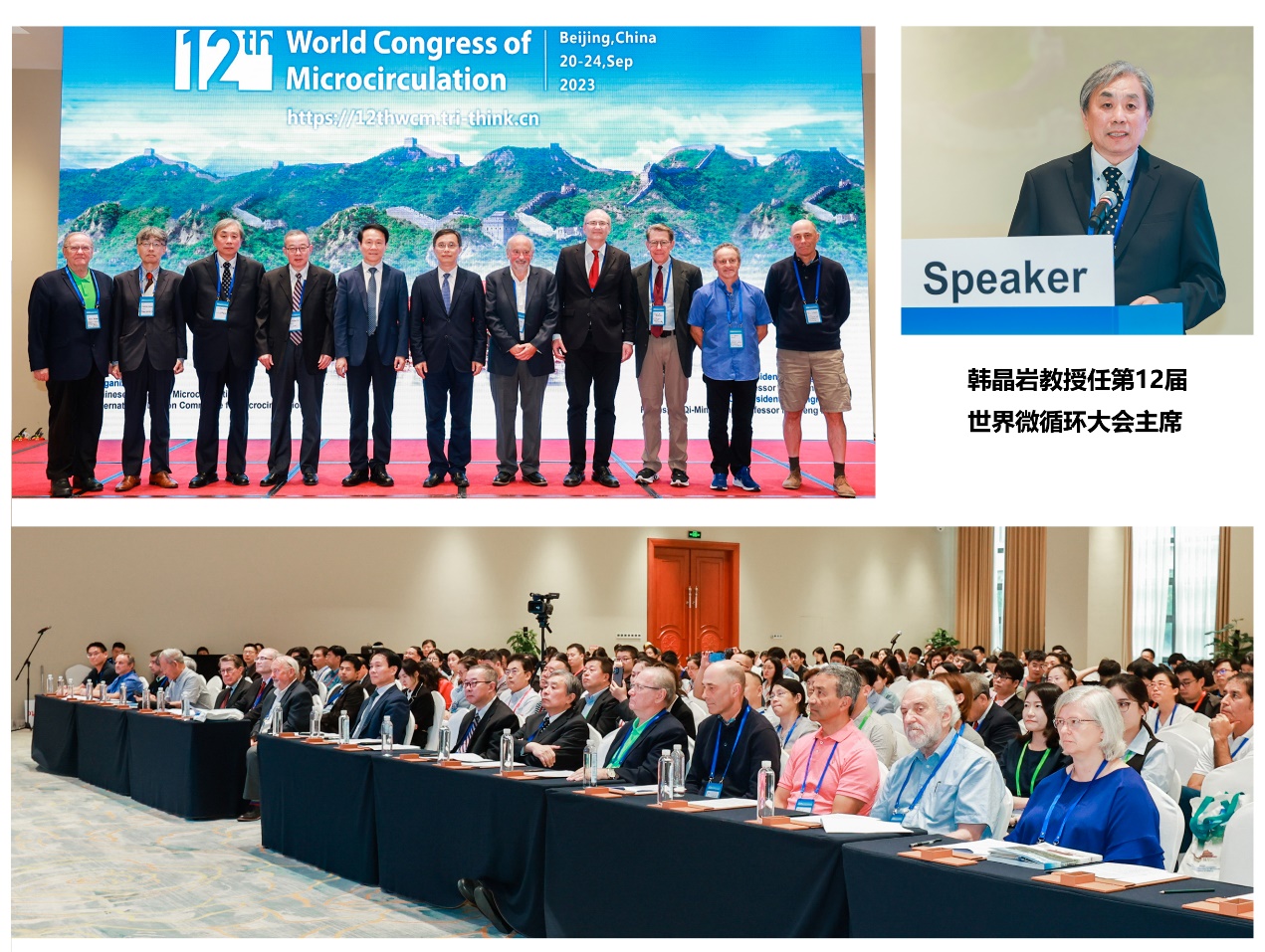
6.1 Supporting Peking University to rank first in the 2017 Global Microcirculation Research Institute Influence Ranking. Professor Han Jingyan served as President of the 12th World Congress of Microcirculation (September 20-24, 2023), promoting the exchange of Traditional Chinese Medicine theories on improving microcirculatory disorders on the world microcirculation stage. The team won 2 Youth Awards and 6 Best Poster Awards, receiving widespread recognition from domestic experts.
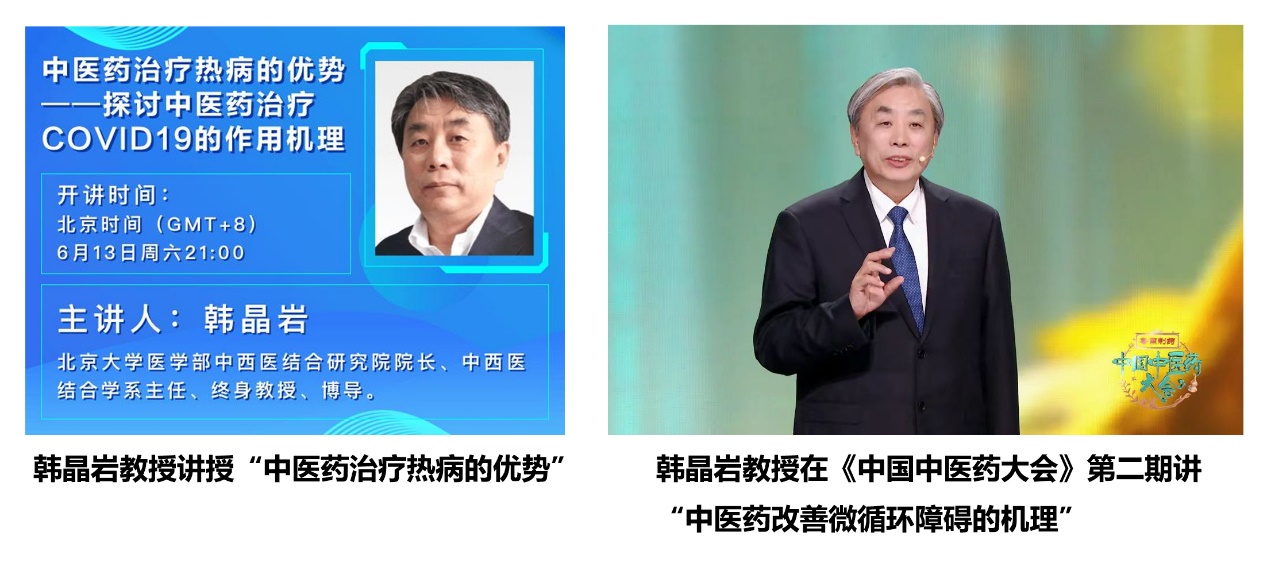
6.2 Professor Han Jing-Yan delivered a lecture titled "The Mechanism of Traditional Chinese Medicine in Improving Heat-Toxin Blood Stasis" in the "Explaining Traditional Chinese Medicine Clearly" series co-hosted by People's Health of People's Daily Online and China Association of Chinese Medicine, attracting 168,000 viewers. She also presented "The Mechanism of Traditional Chinese Medicine in Improving Microcirculation Disorders" on the second episode of "China Traditional Chinese Medicine Congress" co-produced by China Central Television and the State Administration of Traditional Chinese Medicine, reaching 16.48 million views with a 400 million increase in Weibo readings. These efforts have significantly promoted the domestic dissemination of Traditional Chinese Medicine theories on microcirculation disorder improvement.
1